
Zambia Education Enhancement Program (ZEEP)
Improving Equitable Access to Quality Learning Conditions.
Supporting critical early years human capital development investments.
About ZEEP
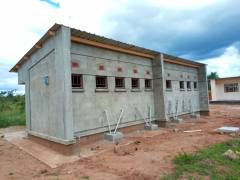
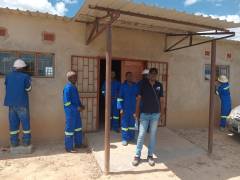
The Government of the Republic of Zambia with support from the World Bank has been implementing the Zambia Education Enhancement Project (ZEEP) since 2018. The project started with an initial United States $60 million over a five-year period from 2017 – 2022. The ZEEP operations became effective on April 9, 2018, and was being implemented by the Ministry of Education (MoEdu). Under the first phase, the ZEEP was to construct 82 secondary schools in all but three provinces; Copperbelt, North Western, and the Western Provinces which were not part of the initial agreement. However, ZEEP was also to implement teacher quality and career development programmes (CDP) in 382 Schools across all provinces targeting 764 Teachers. This programme would also be extended to 12 Colleges of Education in the country targeting a further 60 Lecturers.
At the end of the Project Lifespan in 2022, milestones had been made in both construction of the 82 schools and teacher programs although more work still needed to be done.
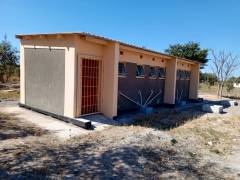
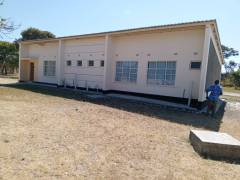
The Government therefore sought further funding, an Additional Financing Agreement (loan) in May 2020 was approved by the World Bank Board for ZEEP to receive additional financing US$120 million, making ZEEP a US$180 million operation. With the additional financing, the project’s scope was expanded and the implementation period extended to 2025. Under the additional funding, a total of 120 Secondary Schools in all the ten provinces are now being constructed, while the teacher quality component has expanded exponentially to 2700 targeted Schools across the country.
The ZEEP AF project development objective (PDO) is to improve the quality of teaching and learning conditions in targeted primary and secondary schools. Further, the PDO aims to increase access to secondary education focusing on girls. As such, ZEEP AF primarily supports four areas including: –


image-slider-with-thumbnail1.jpeg
image-slider-with-thumbnail2.jpeg
image-slider-with-thumbnail3.jpeg
image-slider-with-thumbnail4.jpeg
image-slider-with-thumbnail5.jpeg




ZEEL
ZEEP SUMMARY
Implementing material measures and actions so that the Project is implemented in accordance with the Environmental and Social Standards (ESSs) of the World Bank Environmental and Social Framework (ESF).
Policy Implementation
Ensuring project compliance with World Bank ESF's Environmental and Social Standards (ESSs).
Stakeholder Engagement
Involving stakeholders to address concerns and gather input on project activities.
Compliance Oversight
Ensuring adherence to environmental and social standards throughout the project lifecycle.
Each of the 110 ten Hubs will each have a minimum 3 Satellite Centres attached to it, thus bringing the total number of the Early Childhood Education (ECE) infrastructure to a minimum 440 altogether.
ZEEP PDO-Level Indicators
These indicators help us to determine the progress being made.
Improving
Improving the quality of teaching and learning conditions in language arts, science, and mathematics, in targeted primary and junior secondary schools
Strengthening
Strengthening institutional capacity for education service delivery and project management
Increasing
Increasing access to safe secondary schools
Enhancing
Enhancing institutional capacity for implementation of safe school program
ZEEP Components
The funding levels for each f these components are as follow:
Component 1: Allocated $43 million
Improving the quality of teaching and learning conditions in language arts, science, and mathematics in targeted primary and secondary schools. This component has a funding allocation of United States $43 million.
Component 2: Allocated $172 million
Increasing access to safe secondary schools, which has a lion’s share with allocation of United States $172 million.
Component 3: Allocated $15 million
Strengthening institutional capacity for education service delivery and project management and Communication, with an allocation of United States $15 million.
Component 4: Allocated 3 million
Enhancing institutional capacity for implementation of safe school programme with a funding allocation of United States $3 million.
Targeted Schools
0
+
Teachers to impacted
0
+
Initial Grant
$
0
M
Strategic Components
0
The ZEEP Project is headed by a Deputy Project Coordinator who in turn report to the Zambia Education Programme Coordination Unit (ZPECU), which is a programmes management, implementation, coordination, Monitoring and evaluation, and Communication unit.
ZEEP Administration Structure
ZEPCU is headed by a Programme Coordinator who reports to the Director Planning and Information (DPI) in the Ministry of Education who is responsible for management of the ZEEP AF project.
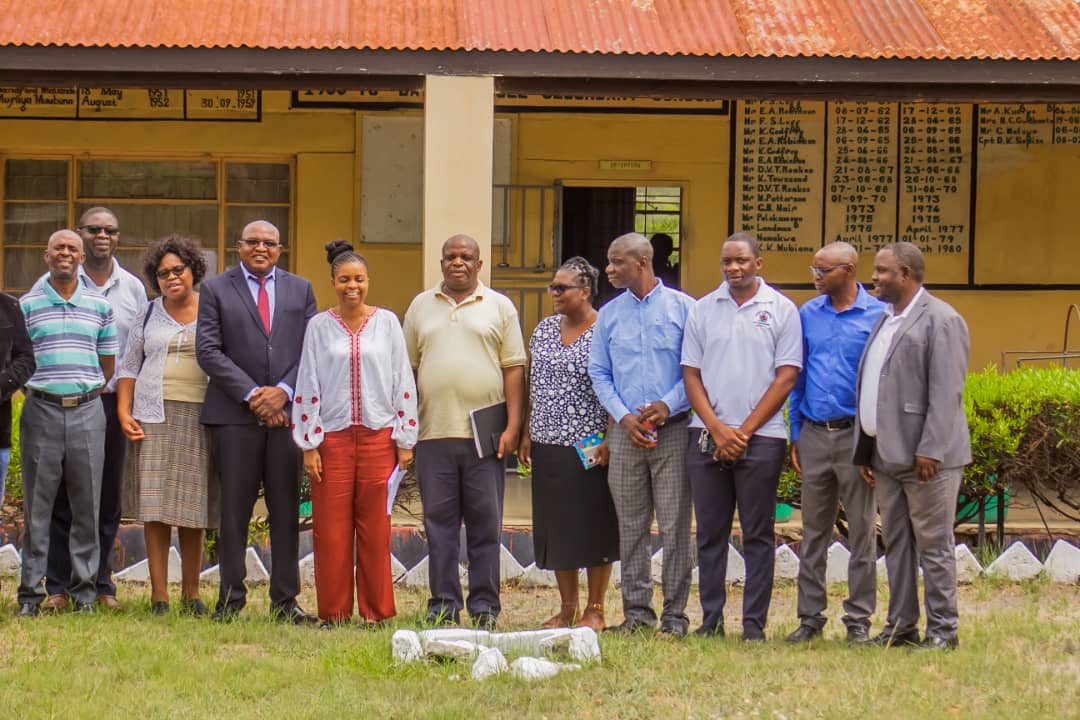
ZEEL is coordinated by ZEPCU
The Zambia Education Programme Coordination Unit (ZEPCU), is World Bank supported project by the Zambia Government to: